IKINUKI › Journal › Head Spa at IKINUKI
Wet vs Dry Head Spa in Japan: What Is the Difference?
A wet head spa uses water: your hair is shampooed and your scalp is massaged at a basin, often with a warm head bath. A dry head spa uses no water at all: you stay dressed and receive a scalp, neck and shoulder massage. If you want the full Japanese head spa you have seen in videos, book wet. If you are short on time or do not want your hair touched by water, book dry.
Both are called “head spa” in Japan, and booking pages do not always say which one you are getting. This guide explains the difference, so you can check before you pay.
What is a wet head spa?
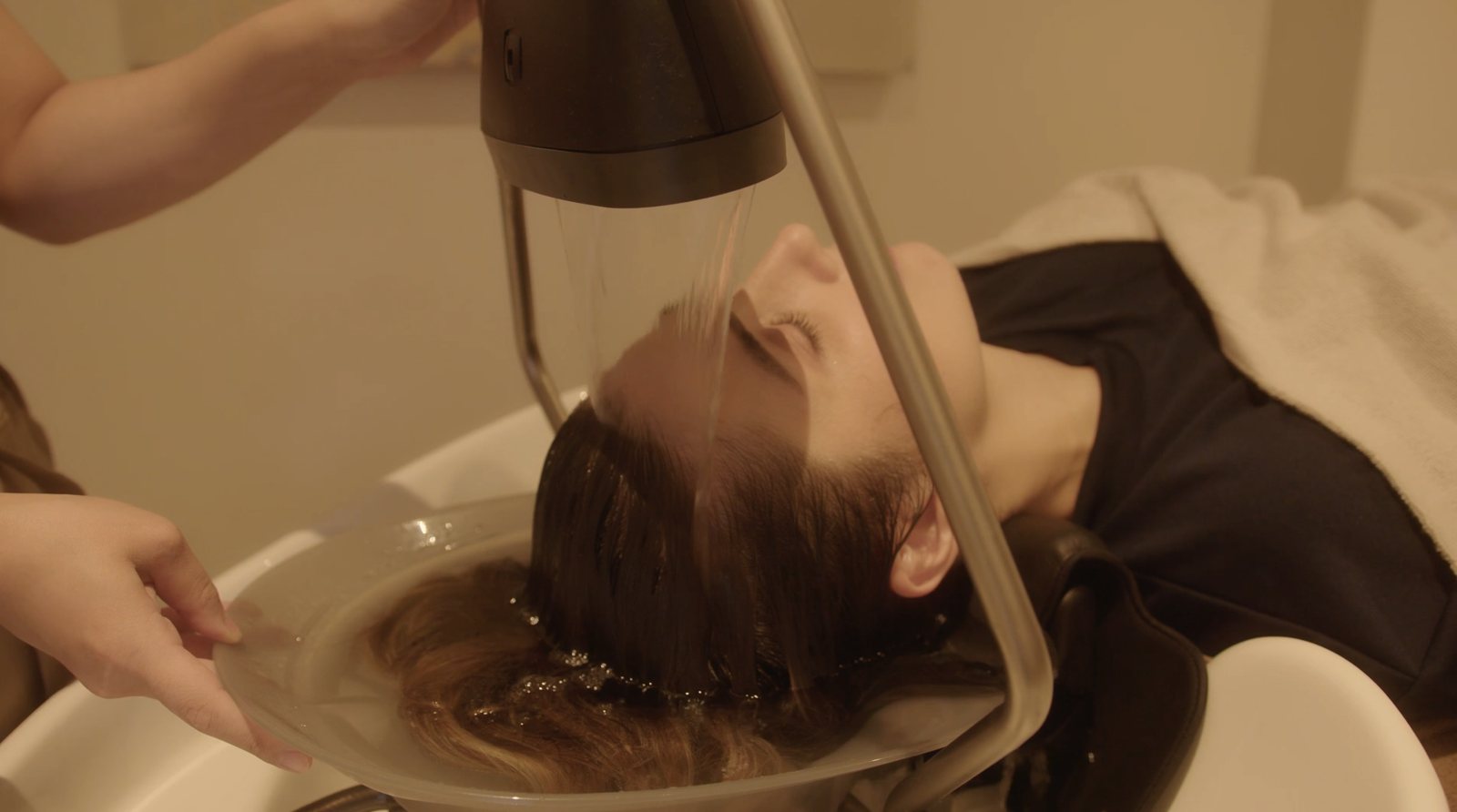
A wet head spa is done lying back at a shampoo basin. Water, shampoo and a scalp treatment are part of the session, so your hair gets completely wet.
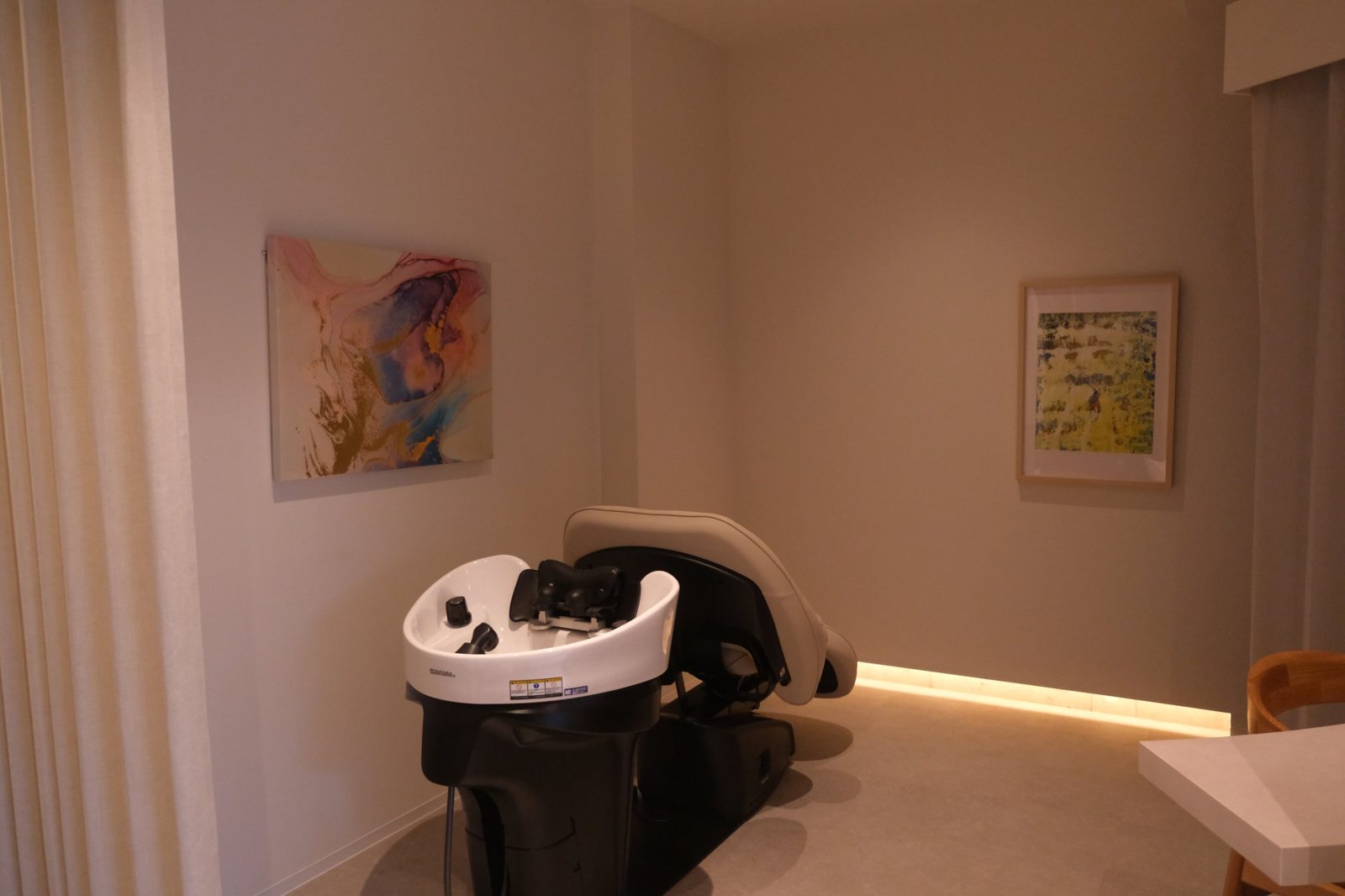
A typical wet session includes:
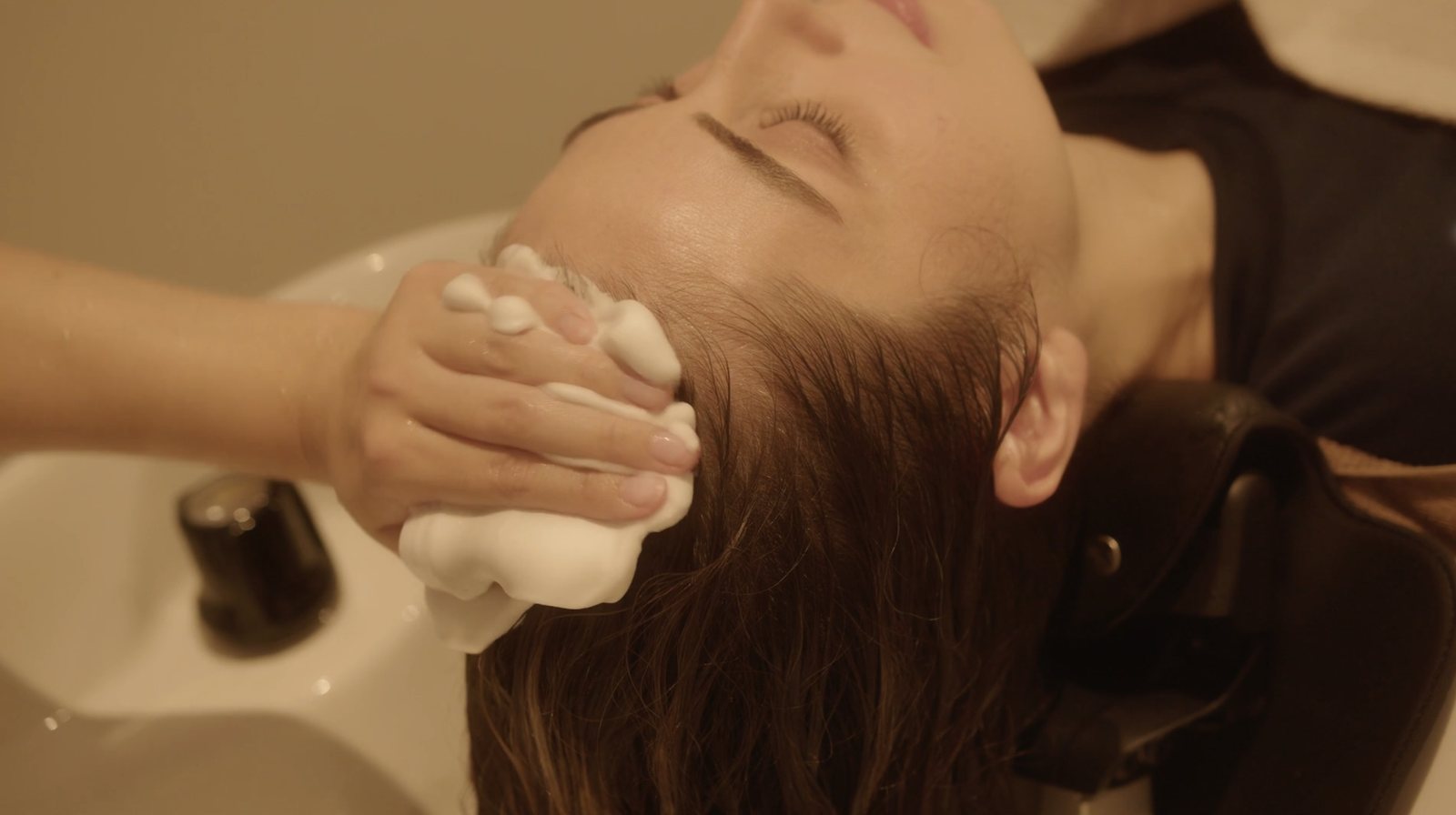
- cleansing and shampoo with a slow scalp massage
- a treatment for scalp and hair
- sometimes a head bath, where warm water flows over your scalp
- drying your hair at the end
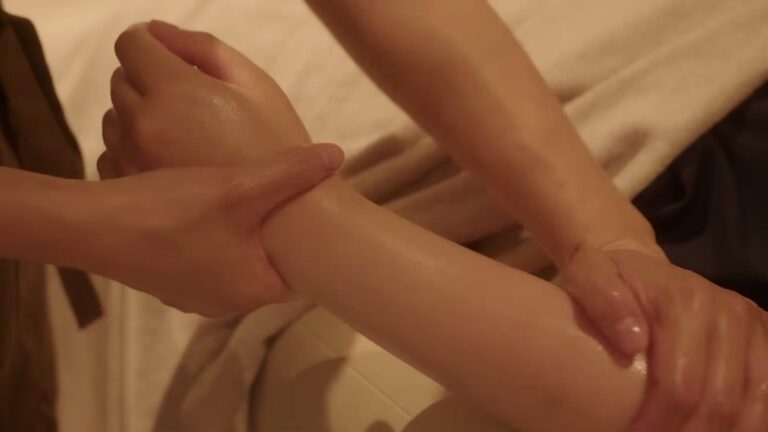
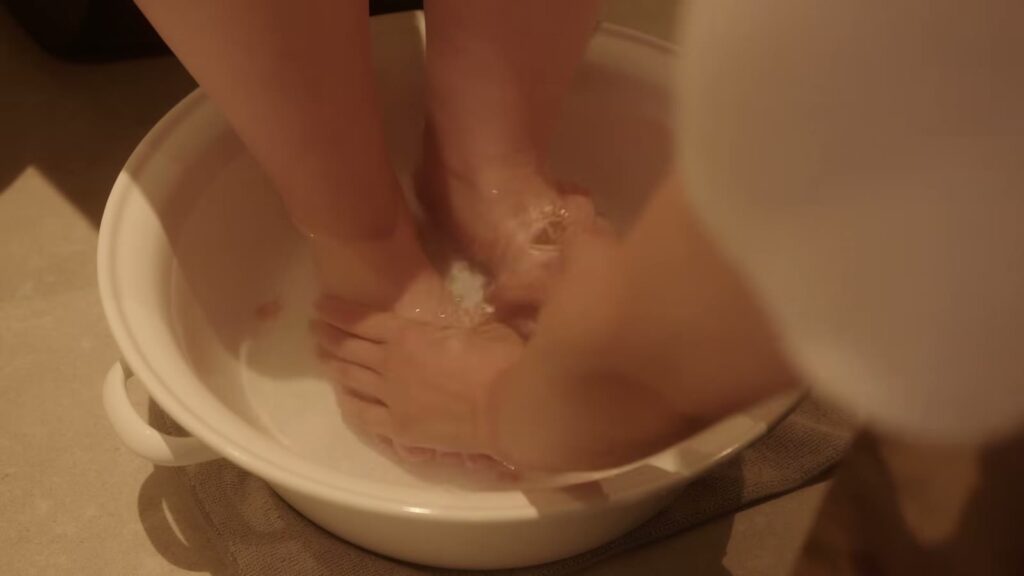
At IKINUKI in Asakusa, every course is wet. A session starts with a foot bath, moves to upper-body care for the neck, shoulders, arms and hands, and then to the shampoo and wet head spa. Two of our four courses add a warm head bath. You finish with tea.
What is a dry head spa?
A dry head spa is a massage of the scalp, and usually the neck and shoulders, with no water and no shampoo. You stay in your own clothes, and your hair and makeup stay as they are. Sessions are generally shorter than wet ones, and many salons can fit you in between other plans.
Several of the head spas you will find around Asakusa and other sightseeing areas are dry. They are a good choice in the situations listed below.
Wet vs dry at a glance
| Wet head spa | Dry head spa | |
|---|---|---|
| Water and shampoo | Yes | No |
| Your hair afterwards | Washed, then dried | Unchanged |
| What you wear | Often treatment wear provided by the salon | Your own clothes |
| Where it happens | Lying back at a shampoo basin | On a bed or reclining chair |
| Time to allow | Longer. At IKINUKI, 90 to 130 minutes including drying and tea | Generally shorter |
| Makeup | At IKINUKI your face does not get wet, so makeup can stay on | Stays on |
| Good for | The full experience: cleansing, massage, treatment | A quick reset between plans |
Details vary from salon to salon, so use this table as a starting point and check each booking page.
Which one should you book?
Choose wet if:
- you want the Japanese head spa you have seen online, with water, foam and a head bath
- you have 90 minutes or more
- you would enjoy having your hair washed after a long flight or a day of walking
- you do not mind drying your hair afterwards
Choose dry if:
- you have less than an hour
- you are wearing a kimono or have had your hair styled for the day
- you have hair extensions, braids or locs, which wet salons often cannot treat
- you are going straight to dinner and do not want to redo your hair
Neither is “better”. They are different services with the same name.
How to tell which one a salon offers
Booking pages are not always clear. Before you book, look for these words:
- Wet: “shampoo”, “head bath”, “scalp cleansing”, “treatment”, “blow-dry” or “self-dry”
- Dry: “dry head spa”, “no water”, “no oil”, “stay in your clothes”, “no need to redo your hair”
If the page does not say, check the photos. A shampoo basin means wet. A massage bed with no basin means dry. You can also ask the salon directly.
What happens to your hair after a wet head spa?
This is the question we are asked most often.
At some salons the therapist dries your hair for you. At others, including IKINUKI, you dry and style it yourself. We provide a hair dryer, a straightener and hair-care items, and you take as long as you like. The time shown for each of our courses already includes drying and tea, so a 90-minute course means about 90 minutes in the salon in total.
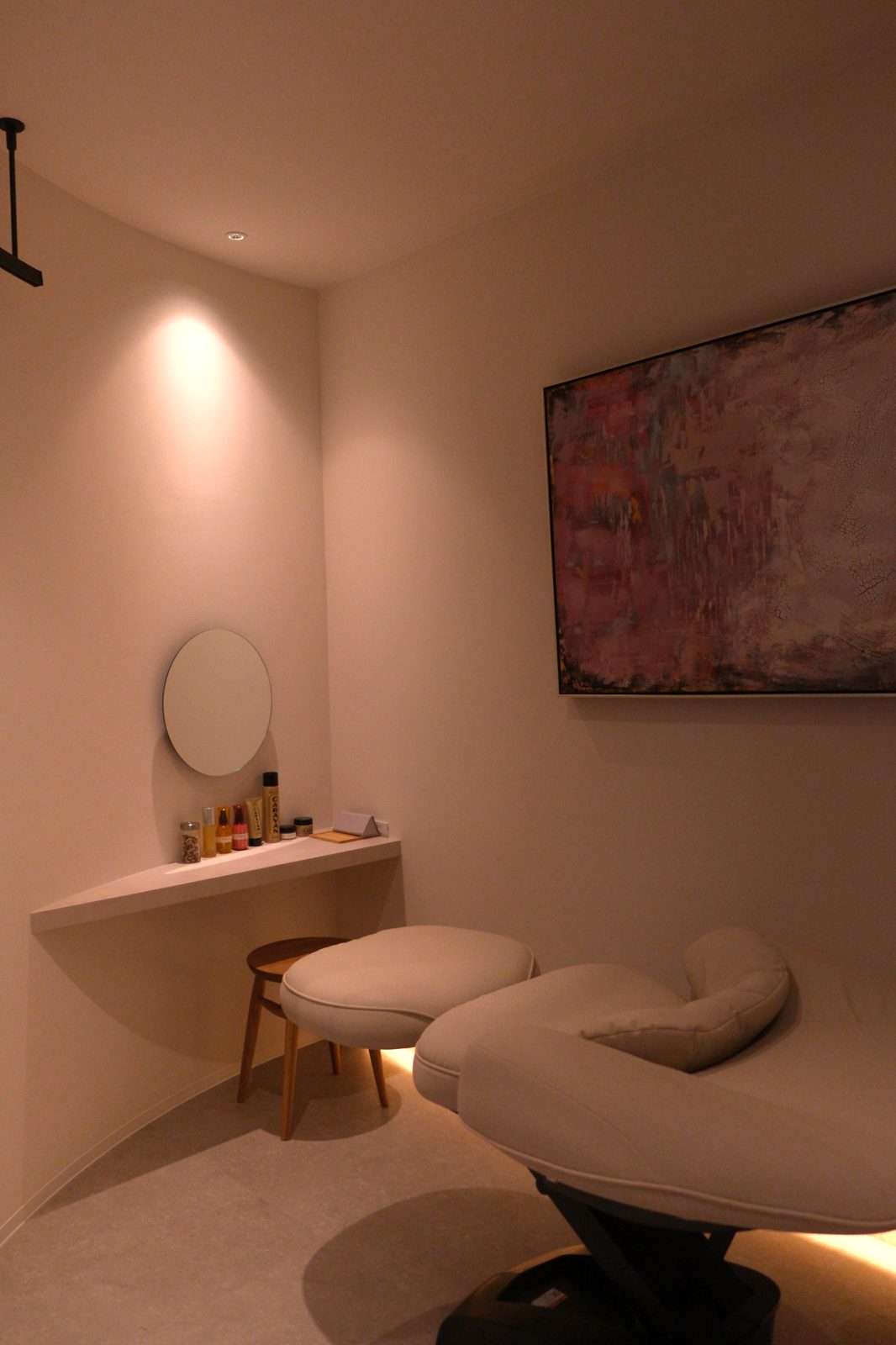
If you have plans straight afterwards, allow a little extra time for your hair, especially if it is long or thick.
What a wet head spa looks like at IKINUKI
We are a reservation-only wet head spa five minutes on foot from Senso-ji Temple.
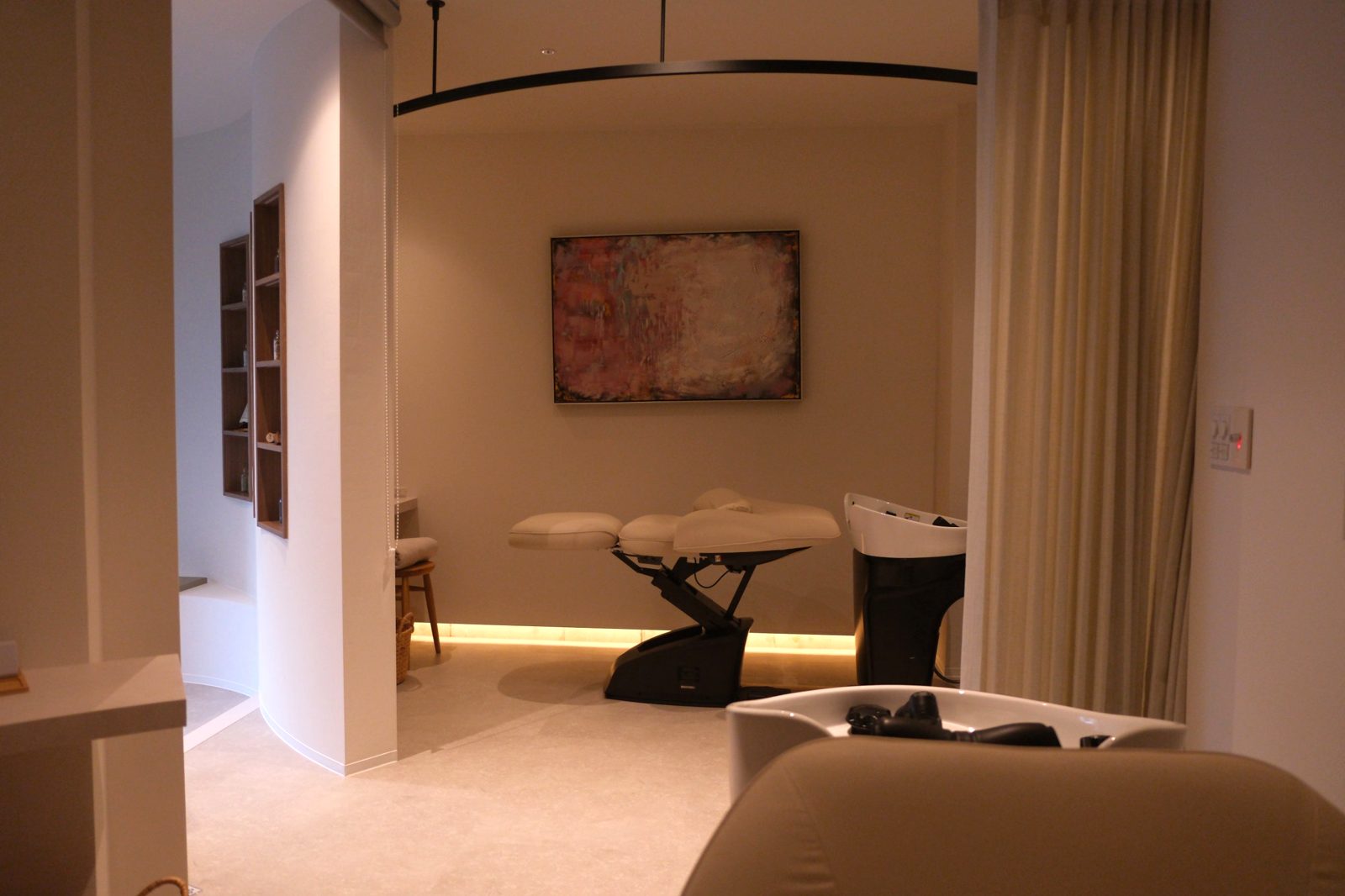
- Time: four courses of 90, 100, 120 and 130 minutes
- Price: from ¥20,000 per guest, paid online when you book
- For two: every course can be taken by two guests at the same time, side by side. About two in three of our guests come as a pair.
- Before you start: you change into treatment wear that we provide, and begin with a foot bath
- Afterwards: tea and a small sweet
You can read how a session runs step by step in our first-time guide, compare the four courses on the menu, or see how it works for two guests.
Questions travelers ask
Will my makeup come off during a wet head spa?
At IKINUKI, no. Your face and eye area do not get wet, so you can keep your makeup on. Other salons may include facial steps, so check the course description.
Can I have a wet head spa with hair extensions or braids?
At IKINUKI, no. We cannot offer the treatment to guests with hair extensions, braids or locs, because shampooing and scalp massage can damage them. A dry head spa is usually the better choice.
Is a wet head spa suitable for men?
Yes. Many of our guests are men, and many come as couples.
Last checked: November 2026.
Read next: Head spa for two · Menu and prices · Your first Japanese head spa · Access